

Find Relief by Understanding the Cause
Jaw discomfort, teeth grinding, and interrupted sleep can make everyday activities feel more difficult than they should. Whether your symptoms appear during the day or while you sleep, understanding what is causing them is an important first step.
At Dr. Joe Dental Group, we evaluate how your jaw, bite, teeth, and sleep-related symptoms may be connected before recommending treatment. Our approach emphasizes personalized care and conservative treatment options whenever they are appropriate.
If you have been living with ongoing jaw discomfort, nighttime clenching, or symptoms that may be related to obstructive sleep apnea, we are here to help you explore your options.
Understanding Obstructive Sleep Apnea
Obstructive sleep apnea (OSA) is a condition in which the airway repeatedly narrows or becomes blocked during sleep, causing interruptions in breathing throughout the night.
Many people do not realize they have sleep apnea until a partner notices symptoms or daytime fatigue begins affecting daily life.
Common symptoms can include:
- Loud snoring
- Gasping or choking during sleep
- Morning headaches
- Daytime tiredness
- Difficulty concentrating
- Frequent waking
- Dry mouth
If these symptoms sound familiar, we can discuss whether oral appliance therapy may be part of your treatment plan while coordinating care with your physician or sleep specialist when appropriate.

How Oral Appliance Therapy Can Help with Sleep Apnea
For some people with obstructive sleep apnea, a custom oral appliance offers an alternative treatment option.
The appliance is designed to support a more open airway by gently positioning the jaw during sleep. Because every patient’s needs are different, treatment begins with an evaluation to determine whether this approach is appropriate for your diagnosis and overall care plan.
When needed, we work alongside your medical team to help coordinate treatment that supports your health beyond the dental office.
What Is TMJ Disorder?
The temporomandibular joints, or TMJs, connect your lower jaw to your skull and allow you to open and close your mouth, chew, and speak.
Temporomandibular joint disorders, commonly referred to as TMJ disorders or TMD, can affect the joints, jaw muscles, or surrounding structures.
Symptoms can range from occasional discomfort to ongoing pain or difficulty with normal jaw movement.
Common Signs of TMJ Problems
TMJ symptoms do not always look the same from person to person. You may experience:
- Jaw pain or tenderness
- Jaw stiffness or locking
- Difficulty opening or closing your mouth
- Difficulty biting or chewing
- Clicking or popping sounds in the jaw
- Headaches or neck discomfort
- Ear discomfort
- Worn or damaged teeth
- Changes in your bite
- Ringing in the ears
- Dizziness or vertigo
An evaluation can help determine whether your symptoms are related to TMJ and what treatment options may be appropriate.
Your Personalized TMJ Treatment
TMJ treatment is not about finding one solution that works for everyone. It is about identifying what is contributing to your symptoms.
We begin by evaluating your jaw movement, bite alignment, teeth, and overall oral health. Depending on what we find, treatment may include a custom nightguard, strategies to reduce strain on the jaw, or other conservative approaches based on your individual needs.
If your symptoms suggest a more complex condition, we can discuss additional evaluation or referral when appropriate.
When Should You Schedule an Evaluation?
Minor jaw soreness may happen from time to time, but recurring or worsening symptoms deserve attention.
Consider scheduling an evaluation if you notice:
- Jaw pain that continues or gets worse
- Difficulty opening or closing your mouth
- Jaw locking
- Pain when chewing
- Frequent headaches associated with jaw discomfort
- Persistent clicking or popping accompanied by pain
- Significant tooth wear from grinding or clenching
Addressing these concerns early may help prevent symptoms from becoming more disruptive over time.
Can TMJ Disorders Be Treated Without Surgery?
Many people assume jaw problems automatically require surgery, but that is not the case for many TMJ conditions.
Conservative treatments are often the first approach, depending on the underlying cause. Protecting your teeth from grinding, reducing pressure on the jaw, and using a custom-fitted nightguard are among the options we may recommend as part of your care plan.
Our recommendations are always based on your individual symptoms and treatment needs.
Care That Fits Your Symptoms
Whether your primary concern is jaw pain, nighttime grinding, or possible sleep apnea, our focus is on helping you understand what is happening and what options are available.
By taking the time to evaluate your symptoms carefully, we can recommend treatment that reflects your needs rather than relying on a one-size-fits-all approach. Dr. Joe Dental Group in Levittown is here to help you understand what may be contributing to your symptoms and what steps you can take next.
Book AppointmentTMJ & Sleep Apnea FAQs
TMJ symptoms can include jaw pain, clicking or popping, stiffness, difficulty chewing, headaches, ear discomfort, and changes in your bite.
Several factors can contribute to TMJ disorders, including teeth grinding, jaw injuries, bite concerns, and problems affecting the jaw joints or surrounding muscles.
Many TMJ conditions respond well to conservative treatment, including custom nightguards and other approaches that help reduce strain on the jaw.
Obstructive sleep apnea is a condition in which the airway becomes partially or completely blocked during sleep, causing repeated interruptions in breathing.
Loud snoring, daytime fatigue, morning headaches, dry mouth, frequent waking, and gasping during sleep are among the common signs of obstructive sleep apnea.
For some patients, yes. A custom oral appliance may help maintain a more open airway during sleep when it is an appropriate treatment option.
If jaw discomfort is persistent, recurring, or affecting your ability to eat, speak, or open your mouth comfortably, a dental evaluation can help identify possible contributing factors.
Sleep apnea is typically diagnosed by a qualified healthcare provider, often through a sleep study. We can discuss the appropriate next steps based on your diagnosis and symptoms.
Explore Our
Dental Services



Why Choose Dr. Joe Dental Group?

Care That Starts with Listening
Every patient comes to us with different priorities, circumstances, and concerns. We take the time to understand yours before recommending treatment, so you can make informed decisions about your dental care.
More Care Under One Roof
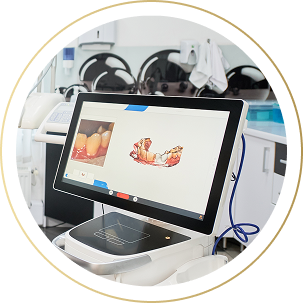
From preventive visits to complex restorative treatment, we can address many of your dental needs in the same practice. Our range of services, on-site dental lab, and technology help our team coordinate treatment while keeping your care connected.
Built for the Long Term
Dental care is not a one-time event. It is an ongoing relationship. With more than 15 years in private practice, Dr. Joe has cared for generations of patients, including many who have stayed with him since his days at NYU. We look forward to building that same kind of lasting relationship with patients and families in Levittown.